
What Is a PCA in Healthcare
To understand what is a PCA in healthcare, we need to know its meaning and work in simple words. A PCA is a helper in hospitals and care centers who looks after patients every day. They help people who are sick, old, or weak. A PCA works with nurses and doctors and follows their instructions. Their main job is to make patients feel safe, clean, and comfortable.
PCAs spend more time with patients than many other healthcare workers. They help patients move, eat food, and keep clean. This job needs care, patience, and a kind heart. A PCA plays an important role in patient support and daily health care.
Meaning of PCA in Healthcare
PCA means Patient Care Assistant.
The meaning of PCA in healthcare is a trained person who helps patients with basic daily needs. They are not doctors or nurses, but they support them.
A PCA helps patients who cannot do simple tasks alone. They stay close to patients and help them feel better.
Benefits of a PCA in Healthcare
Using a PCA (Patient Care Assistant) in healthcare has many benefits for patients, nurses, and the overall hospital system. Understanding what is a PCA in healthcare helps to see why they are important.
1. Better Patient Care
PCAs help patients with daily activities like bathing, eating, moving, and checking health signs. This ensures patients are safe, comfortable, and supported.
2. Support for Nurses and Doctors
PCAs assist nurses and doctors by handling simple care tasks. This allows medical staff to focus on serious treatments and improves workflow.
3. Faster Recovery for Patients
Patients receive more attention and help every day. PCAs make sure patients follow daily care routines, which can lead to faster recovery.
4. Emotional Support
PCAs spend a lot of time with patients, giving them company, comfort, and reassurance. This improves patients’ mental health and reduces stress.
5. Efficient Healthcare System
Having PCAs in hospitals, nursing homes, or home care improves efficiency. Nurses can manage their work better, and patient care becomes more organized.
Main duties of a PCA :
Helping patients get up and lie down
Assisting with bathing and dressing
Helping patients eat and drink
Checking temperature and blood pressure
Moving patients safely
Keeping beds and rooms clean
Supporting patients emotionally
These tasks help patients recover and feel cared for.
Role of a Patient Care Assistant
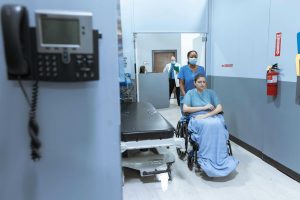
The role of a patient care assistant is to give daily support to patients. They act as a bridge between patients and nurses.
PCAs observe patients and report problems to nurses. This helps doctors and nurses make better decisions.
Skills Needed for PCA Work
Some basic skills are needed to work as a PCA. These skills are easy to learn.
Important PCA skills :
Clear communication
Patience and kindness
Basic health knowledge
Physical strength
Clean work habits
Ability to follow rules
Good behavior and a caring attitude are very important for this job.
Where PCA Jobs Are Available
PCA jobs in healthcare are available in many places.
Common workplaces:
Hospitals
Nursing homes
Elder care centers
Rehabilitation centers
Home care services
Work hours may be day or night depending on the place.
Training and Certification for PCA
PCA training is usually short and simple. Some places give training at work.
Training includes:
Patient safety
Hygiene rules
Basic medical tools
Emergency help basics
A certificate can help get better job chances.
7 Main Duties of a PCA in Healthcare
Assist Patients with Daily Activities
A PCA helps patients with essential daily tasks such as bathing, dressing, eating meals, and moving safely around the room or hospital. This support ensures that patients feel comfortable, cared for, and able to maintain personal hygiene and nutrition, which is critical for their health and recovery.Monitor Vital Signs
PCAs check basic health indicators like body temperature, blood pressure, pulse, and breathing. Regular monitoring helps nurses and doctors track a patient’s condition and notice any changes early, ensuring timely medical attention and improving patient safety.Support Nurses and Doctors in Daily Tasks
By handling routine patient care, PCAs allow nurses and doctors to focus on more critical medical treatments. This collaboration ensures smoother hospital operations, better patient management, and a more efficient healthcare environment.Provide Emotional Support and Companionship
PCAs spend significant time with patients, listening to their concerns, offering encouragement, and reducing stress. Emotional support improves patients’ mental well-being, reduces anxiety, and creates a more positive experience during their healthcare journey.Maintain a Clean and Safe Environment
PCAs are responsible for keeping patient rooms, beds, and equipment clean and organized. A safe and hygienic environment reduces the risk of infections and accidents, creating a more secure setting for patient care.Assist with Mobility and Physical Activity
PCAs help patients move, walk, and perform simple exercises. This support encourages mobility, prevents bedsores, improves circulation, and speeds up recovery, especially for patients with limited physical ability.Observe and Report Changes in Patient Condition
PCAs carefully watch for any changes in a patient’s health, behavior, or mood. They promptly report unusual observations to nurses or doctors, which helps in early intervention and prevents potential complications, enhancing patient safety.
Why PCA Is Important in Healthcare
PCAs help nurses save time. Patients get more attention and care. This improves patient comfort and safety.
Healthcare systems work better because of PCAs.
FAQ – PCA in Healthcare
What is the meaning of PCA in healthcare?
PCA means Patient Care Assistant, a person who helps patients with daily care.
What kind of work does a PCA do?
A PCA helps with cleaning, eating, moving, and basic health checks.
Is PCA a medical job?
Yes, it is a basic healthcare support job.
Do PCAs work under nurses?
Yes, PCAs follow instructions from nurses and doctors.
Can PCA work in home care services?
Yes, PCAs can care for patients at home.


