
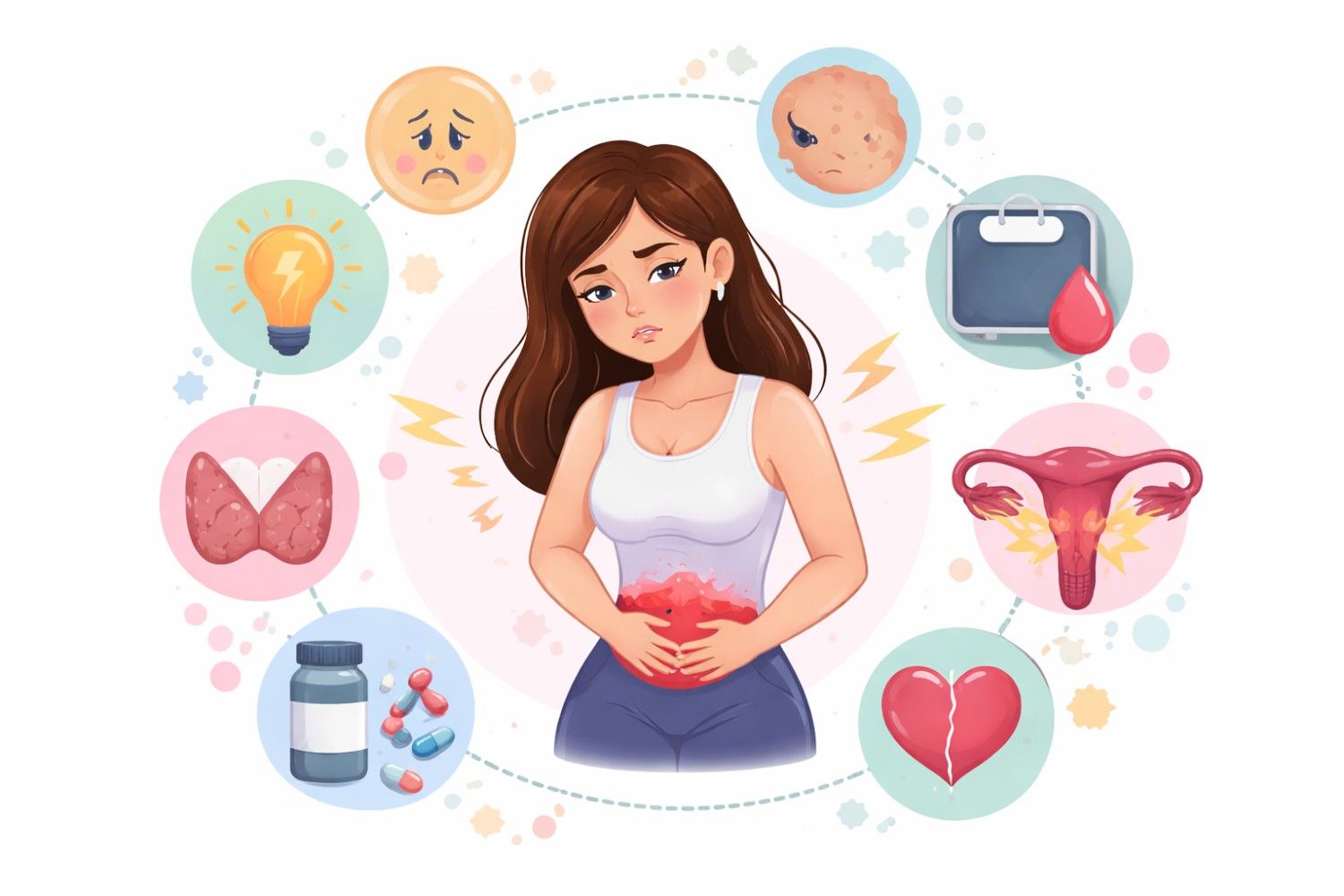
Hormonal balance is essential for the proper functioning of the female body. Hormones are chemical messengers that regulate key processes like metabolism, mood, reproductive health, and overall wellbeing. When these hormones are out of balance, women may experience a wide range of physical and emotional symptoms. Understanding hormonal imbalance in women is critical to improving energy, mood, and overall wellness.
What Is Hormonal Imbalance in Women?
A hormonal imbalance in women occurs when there is too much or too little of a hormone in the bloodstream. Hormones are produced by endocrine glands, including the thyroid, ovaries, adrenal glands, and pituitary glands. Even small fluctuations in hormone levels can have significant effects on the body.
Some common hormones in women include:
- Estrogen: Responsible for reproductive health and regulating the menstrual cycle.
- Progesterone: Balances estrogen and supports pregnancy.
- Testosterone: Influences sex drive, muscle strength, and energy levels.
- Thyroid Hormones: Regulate metabolism and energy.
- Cortisol: The stress hormone that affects mood and immune function.
When these hormones are out of balance, it can lead to various female hormone symptoms, ranging from mild discomfort to serious health conditions.
Common Causes of Hormonal Imbalance in Women
Hormonal imbalance can result from multiple factors. Understanding the root cause is essential for effective treatment.
1. Stress and Cortisol Imbalance
Chronic stress causes the adrenal glands to produce excess cortisol. High cortisol levels can disrupt the balance of other hormones like estrogen and progesterone, leading to fatigue, weight gain, and mood swings.
2. Poor Diet and Nutrition
Nutrient deficiencies, excessive sugar, and processed foods can negatively affect hormone production. For example, low zinc and vitamin B levels can impact reproductive hormones, while excess sugar can increase insulin, which disrupts hormonal balance.
3. Thyroid Dysfunction
Hypothyroidism or hyperthyroidism affects the production of thyroid hormones, which are crucial for metabolism. Thyroid imbalance can cause weight changes, fatigue, hair loss, and irregular menstrual cycles.
4. Polycystic Ovary Syndrome (PCOS)
PCOS is a common hormonal disorder among women of reproductive age. It causes an imbalance of reproductive hormones, leading to irregular periods, acne, weight gain, and excessive hair growth.
5. Menopause and Perimenopause
As women age, hormone levels naturally fluctuate, especially estrogen and progesterone. These changes can trigger hot flashes, night sweats, mood swings, and sleep disturbances.
6. Environmental Toxins
Exposure to endocrine-disrupting chemicals, like BPA, phthalates, and pesticides, can interfere with hormone production and function. These toxins are often found in plastics, cosmetics, and household products.
Symptoms of Hormonal Imbalance in Women
Recognizing female hormone symptoms early can prevent long-term health complications. Symptoms may vary depending on which hormone is imbalanced, but common signs include:
- Irregular menstrual cycles – skipped periods, heavy bleeding, or spotting.
- Weight fluctuations – unexplained weight gain or difficulty losing weight.
- Mood changes – anxiety, depression, irritability, or mood swings.
- Fatigue – chronic tiredness even after sufficient rest.
- Sleep disturbances – insomnia or disrupted sleep patterns.
- Hair and skin changes – thinning hair, hair loss, acne, or dry skin.
- Low libido – reduced sexual desire and arousal.
- Digestive issues – bloating, constipation, or other gut problems.
Diagnosing Hormonal Imbalance
Proper diagnosis is crucial for effective hormone imbalance treatment. Healthcare providers may use a combination of:
- Medical History and Physical Exam: Understanding symptoms and health history.
- Blood Tests: Measure levels of estrogen, progesterone, testosterone, thyroid hormones, and cortisol.
- Saliva or Urine Tests: Sometimes used to assess hormone fluctuations throughout the day.
- Imaging Studies: Ultrasound or MRI may be used in cases like PCOS or thyroid nodules.
Hormone Imbalance Treatment Options
Treatment depends on the underlying cause and the specific hormones affected. Some effective approaches include:
1. Lifestyle Modifications
- Balanced Diet: Focus on whole foods, healthy fats, lean proteins, and vegetables to support hormone production.
- Exercise: Regular physical activity reduces stress, balances insulin, and supports thyroid and adrenal health.
- Stress Management: Meditation, yoga, and mindfulness practices help lower cortisol levels.
- Adequate Sleep: Maintaining 7–9 hours of quality sleep supports hormone regulation.
2. Medical Treatments
- Hormone Replacement Therapy (HRT): Used during menopause to balance estrogen and progesterone levels.
- Thyroid Medication: Prescribed for hypothyroidism or hyperthyroidism to normalize thyroid hormone levels.
- PCOS Treatments: May include birth control pills, anti-androgen medications, or insulin-sensitizing drugs.
- Targeted Supplements: Vitamins, minerals, and herbal remedies may help correct nutrient deficiencies affecting hormones.
3. Natural Remedies
Some women may benefit from natural approaches, including:
- Herbs: Ashwagandha, maca root, and chasteberry may help balance hormones.
- Omega-3 Fatty Acids: Found in fish and flaxseed, support estrogen metabolism.
- Probiotics: Improve gut health, which is closely linked to hormone regulation.
4. Regular Monitoring
Even after treatment, regular checkups are essential to track hormone levels, adjust therapies, and maintain long-term wellness.
Prevention and Maintenance
While some hormonal changes are unavoidable, many can be managed or prevented through healthy lifestyle choices:
- Eat a nutrient-rich diet, minimize processed foods and sugar.
- Maintain a consistent exercise routine.
- Manage stress with mindfulness techniques.
- Limit exposure to environmental toxins.
- Monitor menstrual cycles and other bodily changes.
- Consult healthcare professionals for early evaluation when symptoms arise.
When to See a Doctor
Seek medical advice if you experience:
- Sudden or severe weight gain or loss.
- Persistent fatigue or mood disturbances.
- Irregular or painful periods.
- Signs of thyroid issues (cold intolerance, hair loss, or rapid heartbeat).
- Symptoms that interfere with daily life or mental health.
Early intervention can prevent complications such as infertility, osteoporosis, heart disease, or severe metabolic disorders.
Conclusion
Understanding hormonal imbalance in women is not only about recognizing symptoms but also addressing underlying causes and implementing effective treatments. By combining medical interventions with lifestyle modifications, women can restore balance, improve energy levels, enhance mood, and promote overall wellness.
Taking proactive steps—like eating a balanced diet, managing stress, and consulting healthcare providers—can ensure long-term hormone health. Awareness and timely treatment are the keys to preventing complications and maintaining a healthy, vibrant life.


