
Overview
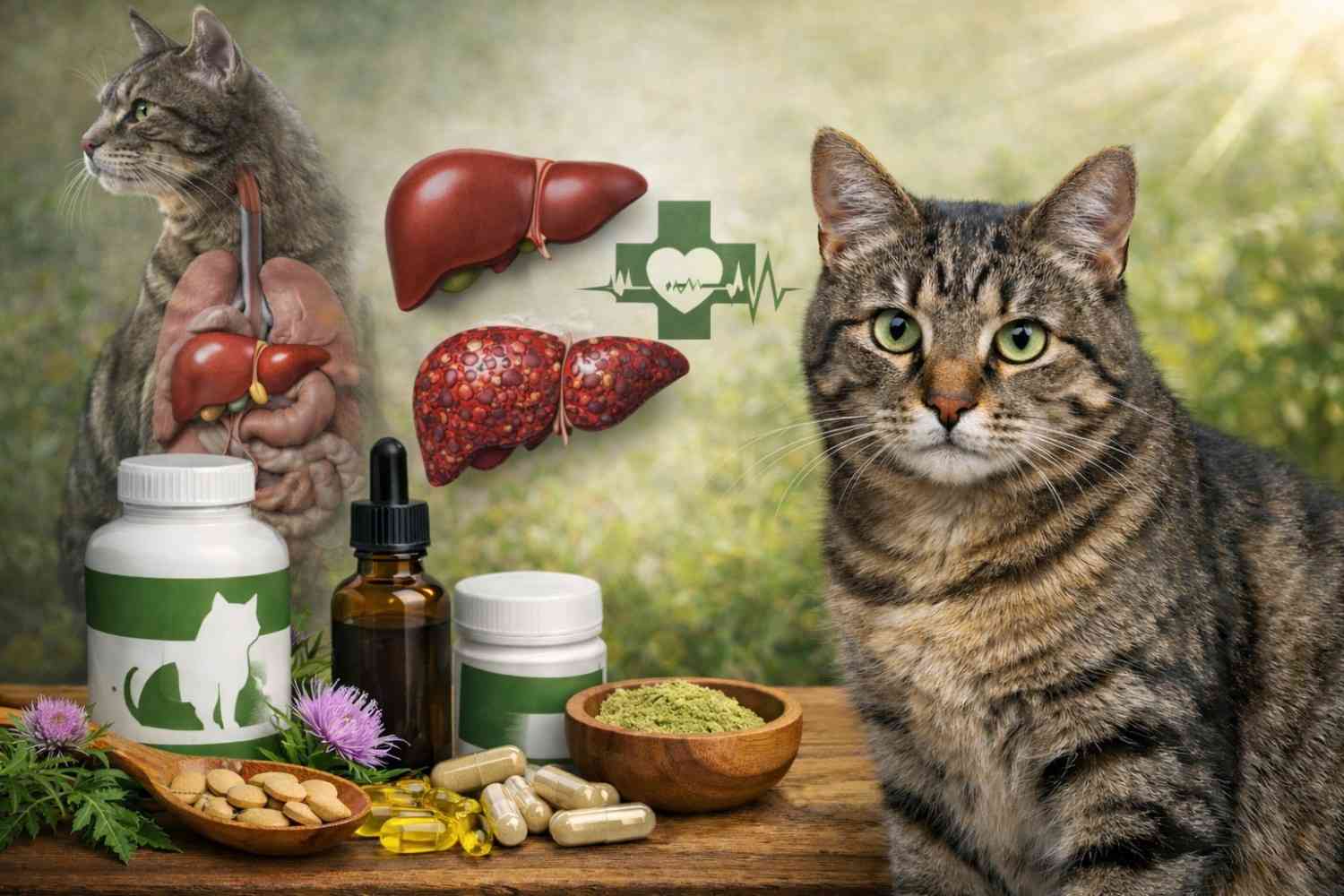
Liver health is vital for every cat’s overall wellbeing. If you are searching for the best liver health supplements for cats, you are taking the first step toward protecting your feline’s liver from disease and damage. The liver plays a key role in detoxification, nutrient absorption, and metabolism. Ensuring it stays healthy can prevent serious conditions like fatty liver disease or hepatic lipidosis. In this guide, we will explore the top supplements, their benefits, and tips to support your cat’s liver naturally.
Understanding Cat Liver Health
The liver is one of the most important organs in a cat’s body. It filters toxins, stores essential nutrients, and helps in digestion. When a cat’s liver is compromised, you may notice symptoms such as jaundice, loss of appetite, vomiting, lethargy, or unusual behavior. Common liver conditions in cats include liver disease, hepatitis, and fatty liver. Understanding these issues helps you choose the right feline liver supplements and preventive measures.
Why Liver Health Supplements Are Important
Cats can develop liver problems due to age, poor diet, toxins, or underlying illnesses. Liver health supplements for cats supply vital nutrients and antioxidants that promote liver function overall, aid in liver cell regeneration, and enhance detoxification. Regular use of high-quality supplements can prevent liver damage and maintain your cat’s vitality. These supplements are not a replacement for veterinary care but a powerful addition to a cat’s diet for long-term health.
Top Liver Health Supplements for Cats
S-Adenosyl Methionine (SAMe)
SAMe is a natural compound that protects liver cells and promotes regeneration. It helps reduce oxidative stress and supports healthy liver enzyme levels. SAMe is often recommended for cats with existing liver issues or for older cats needing liver protection. Always consult your vet for proper dosage, as it varies by weight and health condition.
Milk Thistle (Silymarin)
Milk thistle is an herbal supplement widely used for liver support. The active compound, silymarin, helps repair liver cells and improves liver function. It is safe for most cats when administered under veterinary guidance. Milk thistle also acts as a natural antioxidant, protecting the liver from harmful toxins.
Vitamins and Antioxidants
Vitamins such as E and C, along with minerals like zinc, are powerful antioxidants that support liver function and protect cells from damage. Including these nutrients in your cat’s diet or via supplements can help maintain a healthy liver and boost overall immunity.
Probiotics and Fiber
A healthy digestive system aids liver detoxification. Probiotics and fiber help reduce toxin absorption and support gut health. They can also improve nutrient absorption, indirectly benefiting liver function. Consider high-quality feline probiotics and fiber-rich diets to complement liver supplements.
Omega-3 Fatty Acids
Omega-3s, found in fish oil, reduce inflammation and support liver function. They are particularly beneficial for cats with liver disease or age-related liver stress. Consult your vet for proper dosage to avoid excess fat intake.
How to Choose the Right Supplement
Not all liver supplements are created equal. Here are some tips to select the best option for your cat:
- Check the ingredients: Avoid fillers, artificial colors, or unnecessary additives.
- Vet-approved products: Always consult a veterinarian before starting any supplement.
- Cat-specific formulation: Human supplements are not safe for cats.
- Consider age and weight: Older cats may need different support than kittens.
Choosing the right product ensures your cat receives maximum benefit without risking side effects.
Administering Supplements Safely
- Mix powder or liquid supplements with food if your cat is picky.
- Administer tablets directly if tolerated.
- Observe for any side effects like vomiting, diarrhea, or allergic reactions.
- Start with small doses and gradually increase under veterinary guidance.
Diet & Lifestyle for Healthy Cat Liver
When paired with a healthy lifestyle, supplements are most effective:
- Balanced diet: High protein, low fat, limited carbs
- Hydration: Fresh water daily
- Avoid toxins: No human medications, alcohol, or harmful foods
- Exercise: Encourage moderate activity to maintain overall health
A combination of diet, lifestyle, and liver supplements ensures a stronger, healthier liver.
When to See a Vet
Even with supplements, regular vet checkups are crucial. Immediate attention is required if your cat shows:
- Yellowing of skin or eyes (jaundice)
- Persistent vomiting or diarrhea
- Loss of appetite
- Lethargy or unusual behavior
Blood tests can detect liver issues early, ensuring timely treatment.
Conclusion
Investing in liver health supplements for cats is a proactive step in maintaining your feline’s wellbeing. By combining high-quality supplements, a balanced diet, and regular veterinary care, you can protect your cat’s liver, boost immunity, and improve overall quality of life. Remember, always consult your veterinarian before introducing new supplements to your cat’s routine.


5 Responses
A really good blog and me back again.
Unlock exclusive rewards with every referral—apply to our affiliate program now!
Turn referrals into revenue—sign up for our affiliate program today!
Promote our brand and get paid—enroll in our affiliate program!
Start earning passive income—become our affiliate partner!